01
CENTRAL PRACTICE
The Studio
Studio Practice Diary · daily making, reflection and next steps.
No studio entries yet
Artist · Researcher · Collector
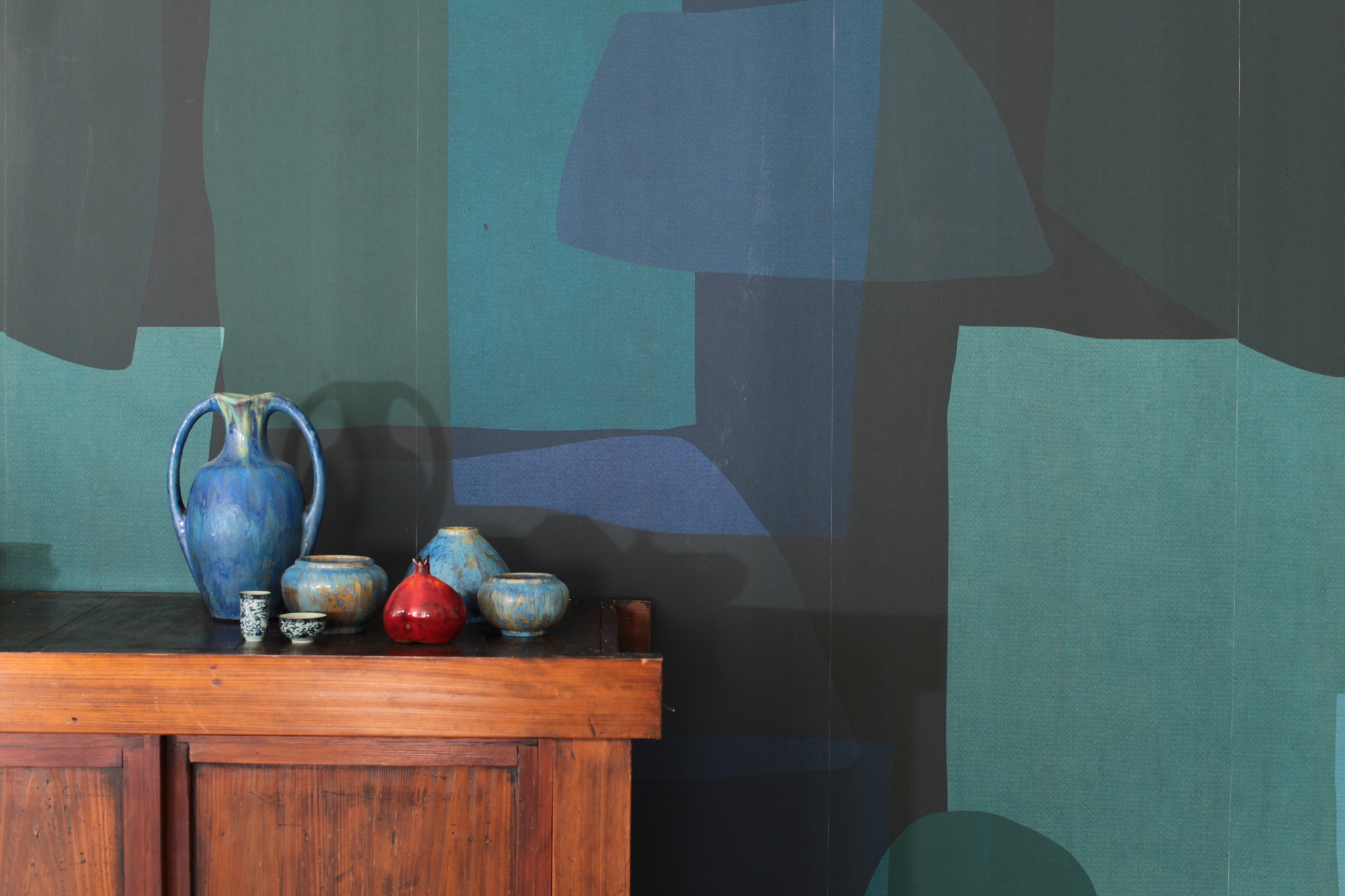
These familiar vessels, books and domestic interiors recur throughout the practice. They are not decorative motifs but companions in a sustained enquiry into memory, place and attention. Their repeated appearance across photographs, journals and studio studies reveals an evolving relationship between everyday objects, domestic space and lived experience.
It documents how ideas become artworks through research, reflection, making, collecting and lived experience. Rather than presenting finished works in isolation, it reveals the intellectual, visual and material processes that give rise to them.
Studio Practice Diary · daily making, reflection and next steps.
Forty-seven Research Journals, reading and theory.
Visual influences, artists, objects and collected ideas.
Bodies of work, photographs, projects and exhibitions.
Writing, website, publications and PhD development.
The complete preserved record from 2008 onwards.
The active record of making, reading, collecting and reflection.
This is the continuous record of what is being made, what is being questioned, what is being read and what happens next. Each entry can later connect to Research Journals, visual influences, projects, works and public writing.
Today's page is waiting for the next observation.
Search the JRLA master archive: journals, journal entries, artists, subjects, theory and reading.
A photographic and searchable map of the books that support the archive.
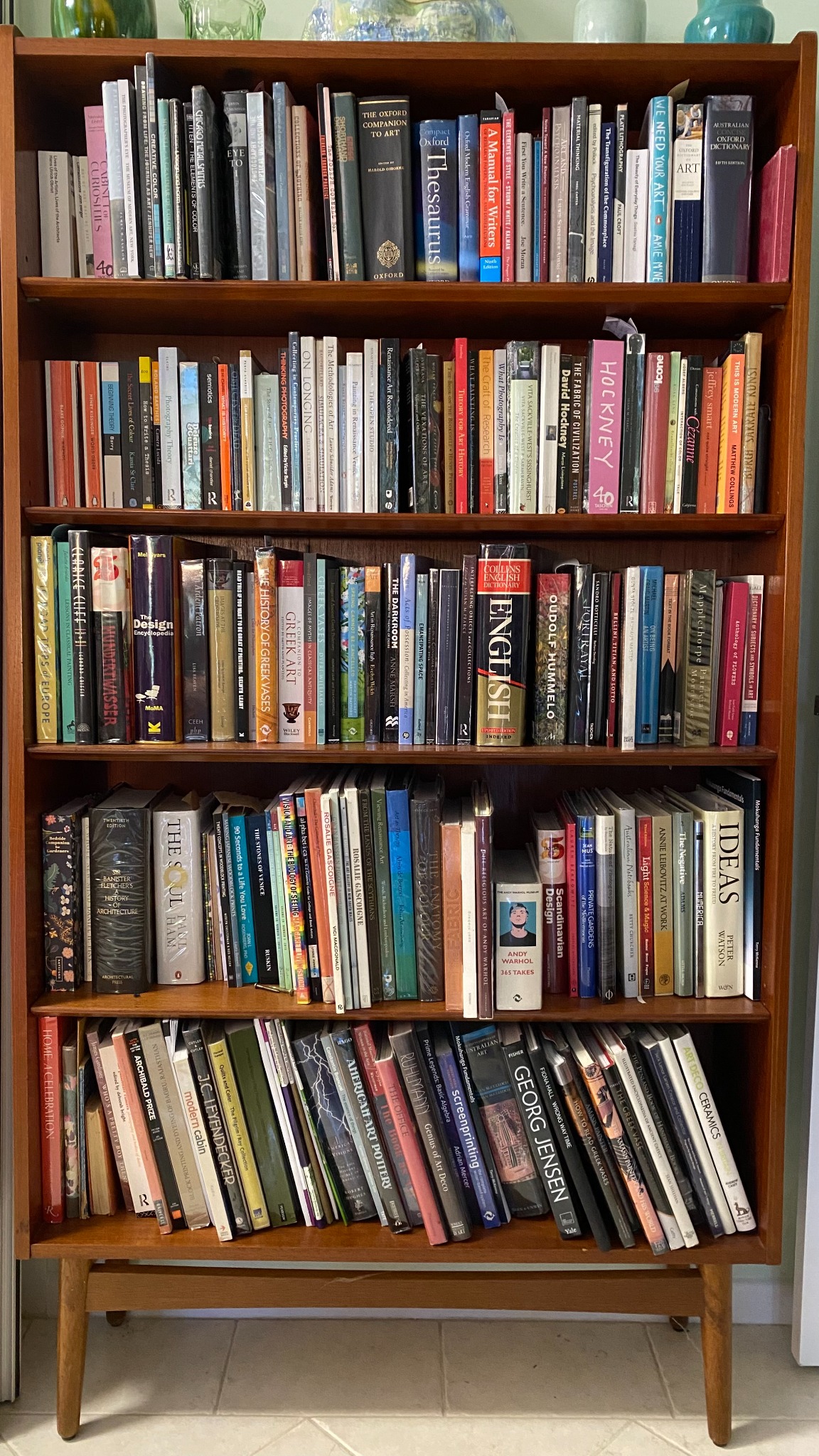
Permanent codes follow the convention Bookcase–Shelf–Position, for example BC01-S02-029.
Artists, objects, architecture, images, design and recurring themes.
Research Journal references gathered into a connected history of artists, objects, spaces, images and recurring visual ideas.
The artists and source figures who recur across journals and studio practice.
Domestic objects, collected forms, vessels, books and material culture.
Rooms, built spaces, gardens, interiors and spatial arrangements that shape the work.
Identity, masculinity, memory, interiors, colour, collecting and material thinking.
Finished works presented in relation to the research and studio development that produced them.
Each project can reveal its complete genealogy: research questions, visual influences, studio entries, experiments, works and public presentation.
The completed visual record.
Exhibition histories, catalogues and statements.
Writing attached to bodies of work.
How individual works form larger visual arguments.
The place where practice is articulated for academic, curatorial and public audiences.
Academic writing, website essays, PhD development and curatorial presentation all draw from the same underlying archive.
Research questions, proposal material and practice evidence.
Essays, exegesis, papers and critical reflection.
Writing for academic and casual audiences.
A presentation of the continuity, depth and value of the practice.
The complete preserved record from 2008 onwards.
Future indexes, annotations and connections should always lead back to the source material. Browser tools can export records, while Chrome or Edge can also save directly into a chosen local folder.
Forty-seven volumes and continuing.
The central working record.
Artists, images, objects and influences.
Academic, curatorial and public texts.